
Plants that belong here
Native & Wildflower Seeding in Los Angeles, CA
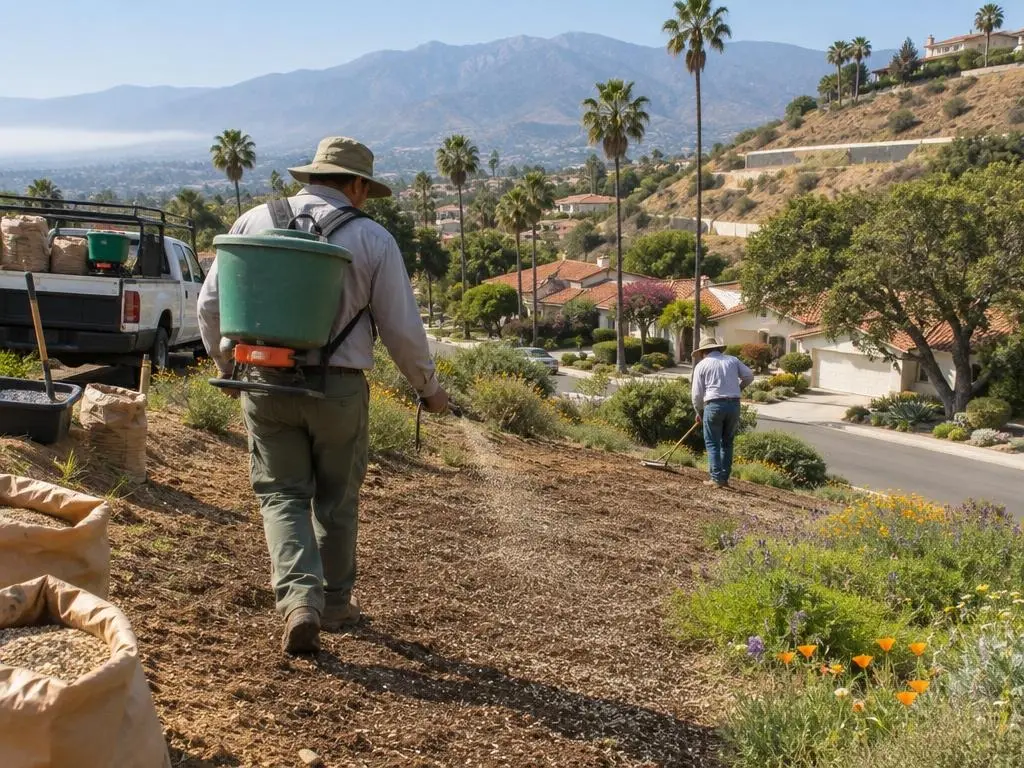
Poppies, native grasses and shrub seed sprayed in fall to grow with the winter rain.
- No-charge visits to your property, with estimates in writing
- Itemized quotes: prep, seed, mulch and erosion control
- Seed mixes picked for coast, basin, valley or foothill
Seeding Plants Built for Dry Summers
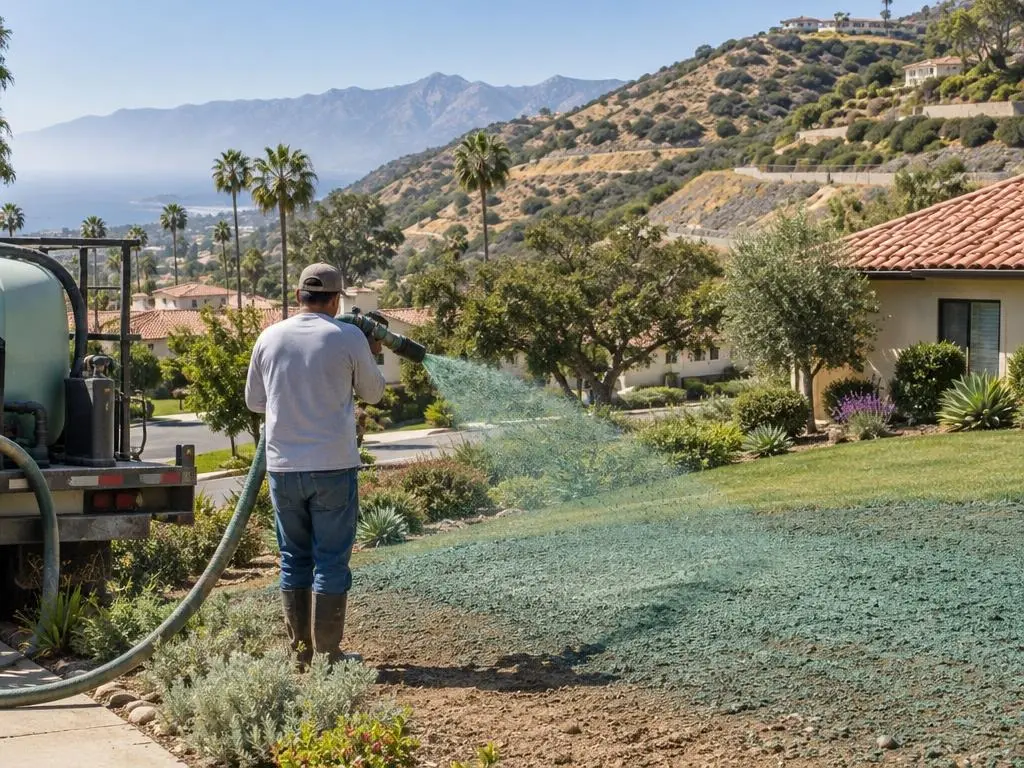
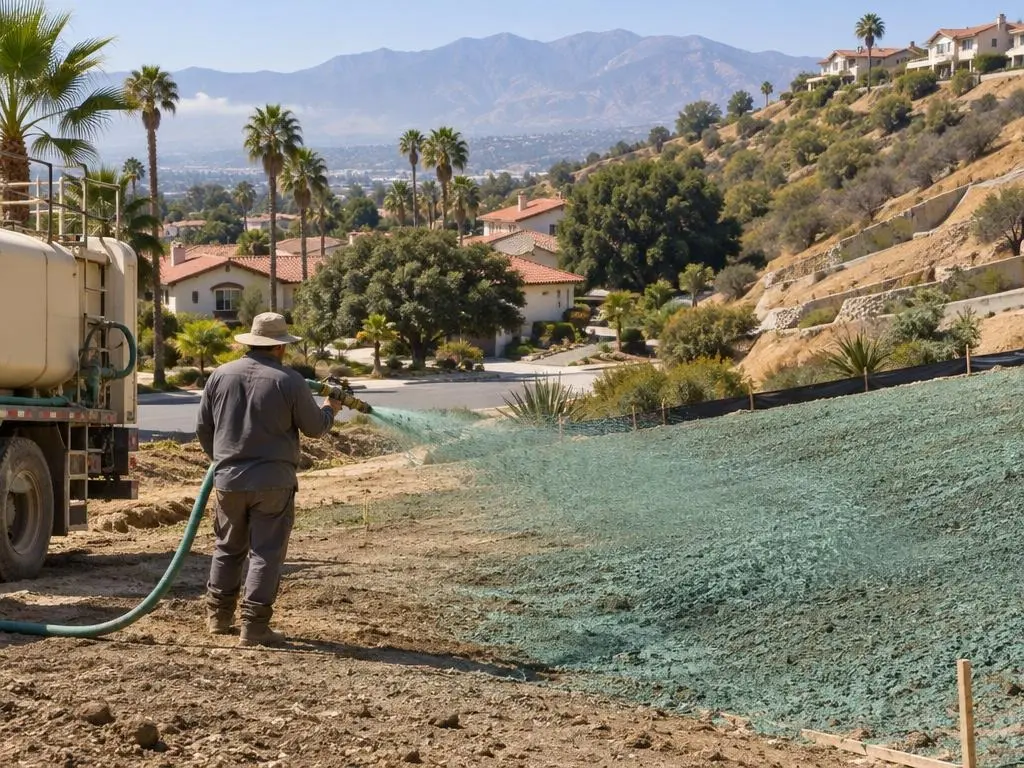
Native and wildflower seeding in Los Angeles makes sense in a city where summer rain almost never comes. Native plants evolved for a long dry season and a short wet one, and once established, many need far less water than a lawn. We hydroseed and broadcast mixes of California native grasses, wildflowers and shrubs on hillsides, open areas, parkway strips and backyards where a homeowner wants something other than turf. Mixed with fiber mulch, native seed sticks to slopes and gets the moisture it needs to germinate.
What grows here naturally
The most common plant communities in Los Angeles are coastal sage scrub, chaparral shrubland and riparian woodland along creeks. Native plants include the California poppy, matilija poppy, toyon, ceanothus, chamise, coast live oak, sycamore, willow and giant wildrye. Toyon is the city's official plant. A seed mix for a hillside might combine native bunchgrasses with poppies and other annual wildflowers for fast cover, plus shrub seed that fills in over a few years.
Why fall seeding
Native seed planted in fall gets the whole wet season to germinate and root. The USDA's description of the Tujunga soil, common in the valleys, notes that it usually becomes moist at depth sometime from October to December and stays moist until April or May. That is the window the plants are built for. Seed sprayed in spring has to be carried through summer on irrigation, which defeats some of the purpose.
Natives on hillside lots
The city's grading code asks that plants on graded hillside slopes be chosen with consideration for deep roots, limited watering, low maintenance and fire-retardant characteristics. Many native shrubs and grasses fit that description, which makes a native mix a practical choice for slope planting. The code still requires planted slopes to be irrigated, so a native slope typically gets drip or low-precipitation sprinklers for the first seasons, then much less water.
What to expect
A native seeding does not look like a lawn after six weeks. In the first winter you will see grasses and annual wildflowers, often with poppies blooming in spring. Shrubs come slowly. Weeds compete hard in year one, so we plan for weeding visits or a mowing in late spring before weed seed drops. Over two or three years the native plants take over more of the space. We are straight with clients about that timeline before they choose it.
Fire and maintenance
Fire safety in hillside areas depends on spacing, trimming and keeping dead material down, not on any single plant. Native areas near homes still need regular trimming and dead material removed. We can lay out a seeded area so the low, more water-tolerant plants sit closest to the house and the shrubbier mix farther out.
Late spring is the time to judge a first-year native planting. By then the annuals have bloomed, weeds are easy to spot, and you can see where grasses filled in and where a second seeding in fall would help. Overseeding thin spots the following autumn is normal and inexpensive.
Less water, less mowing
Statewide droughts have strained the city's water supply, and outdoor irrigation is one of the biggest uses at most homes. Replacing part of a lawn with native grasses and wildflowers cuts the water needed once the planting is established, and it trades weekly mowing for a cleanup or two a year. Many homeowners keep a small patch of turf for kids or pets and convert the rest: the parkway strip, the front slope, the side yard nobody walks on.
Hydroseed or hand broadcast?
On slopes, hydroseeding is usually the better way to apply native seed, because the mulch and tackifier hold seed in place and keep it damp. On flat, well-prepared ground, especially for wildflower beds, hand or spreader broadcasting followed by light raking or rolling can work just as well and costs less. Very small seeds like poppies need good soil contact and should not be buried deep. We pick the method based on the site rather than defaulting to the truck.
Seed sources and mixes
We use seed mixes sold for Southern California and adjust the blend by setting: grasses and low wildflowers near the coast, more drought-hardy species for hot valley lots, and mixes with shrub seed on foothill slopes. If you want specific species, or a mix that supports pollinators, tell us during the site visit and we will build the order around it.
Combining natives with erosion control
On graded or burned slopes, native seed is usually only part of the job. We pair it with wattles across the contour, blankets in swales or a bonded fiber matrix on the steepest ground, so the soil is protected while the slow-growing plants establish. Silt fence at the toe keeps sediment off the street through the first wet season.
Native Seeding Options
Mixes and methods for slopes, open ground and water-wise yards.
Native grass seeding
Bunchgrass mixes for open ground, slopes and lawn replacement.
Wildflower seeding
Poppies and other annual wildflowers for spring color and quick cover.
Hillside native mixes
Grass, wildflower and shrub seed with fiber mulch on graded or burned slopes.
Lawn-to-native conversion
Removing turf and seeding natives in its place.
Weed control visits
Follow-up weeding or mowing in the first year so natives can establish.
Seeding Price References
| Job | Published range |
|---|---|
| Hydroseeding per sq ft (Lawn Love, 2026) | $0.08 to $0.21 |
| Lawn seeding, 1 acre (Lawn Love, 2026) | $3,049 to $10,019 |
| Hydroseeding per acre (LawnStarter, 2026) | $2,136 to $4,897 |
| Native or wildflower mix installed | No current published figure; we quote it once we've walked the site |
No current consumer guide prices native meadow seeding, so these are general seeding figures from the named guides. Native seed often costs more per pound than lawn seed. Treat these as ballparks. We commit to a number only in the written quote.
How Native Seeding Goes
1. Site visit
Sun, slope, soil, weeds and how much water you can give the area.
2. Pick the mix
Grasses, wildflowers and shrubs chosen for the site and your goals.
3. Prepare
Weeds and turf cleared, soil loosened, erosion controls set on slopes.
4. Seed in fall
Hydroseeded or broadcast with mulch ahead of the winter rain.
5. First-year care
Irrigation guidance and weeding or mowing visits through spring.
Why Choose Us for Native & Wildflower Seeding
Honest timelines
We explain that natives take seasons, not weeks.
Slope-ready
Native mixes paired with mulch, blankets or wattles on steep ground.
Mixes for the setting
Coastal, valley and foothill sites get different species.
Native & Wildflower Seeding Questions
When is the right time to plant wildflower seed in Los Angeles?
Fall, ideally before or with the first rains. That gives seed the whole wet season to germinate and root before summer.
Do native plants need water?
Yes, at first. Most need regular water through the first season or two. After that, many need little or none beyond rainfall, though planted hillside slopes must still have irrigation under city code.
Can I replace my lawn with natives?
Yes. We remove the turf, prepare the soil and seed a native grass and wildflower mix. Expect a wilder look than a lawn and some weeding in year one.
Will a native slope be fire-safe?
No planting is fireproof. The city's slope rules favor fire-retardant, deep-rooted plants, and keeping the area trimmed and cleared each year is what reduces risk.
Native & Wildflower Seeding Service Areas
- Hydroseeding in Los Angeles, CA
- Hydroseeding in Santa Clarita, CA
- Hydroseeding in Palmdale, CA
- Hydroseeding in Lancaster, CA
- Hydroseeding in Thousand Oaks, CA
- Hydroseeding in Simi Valley, CA
- Hydroseeding in Calabasas, CA
- Hydroseeding in Malibu, CA
- Hydroseeding in Pasadena, CA
- Hydroseeding in Glendale, CA
- Hydroseeding in Burbank, CA
- Hydroseeding in Rancho Palos Verdes, CA
- Hydroseeding in Agoura Hills, CA
- Hydroseeding in Diamond Bar, CA
- Hydroseeding in Glendora, CA
- Hydroseeding in Claremont, CA
- Hydroseeding in La Canada Flintridge, CA
- Hydroseeding in Altadena, CA
- Hydroseeding in Whittier, CA
- Hydroseeding in Moorpark, CA
- Hydroseeding in Chino Hills, CA
- Hydroseeding in Walnut, CA
- Hydroseeding in Sierra Madre, CA
- Hydroseeding in Westlake Village, CA
Get a Native & Wildflower Seeding Estimate
Ask about a fall native seeding before the rains.